Here’s a simpler, crisper version:
You’re heading to the kitchen for a glass of water. Then to the bathroom. Then back to the couch.
And the whole time, your cat is right behind you.
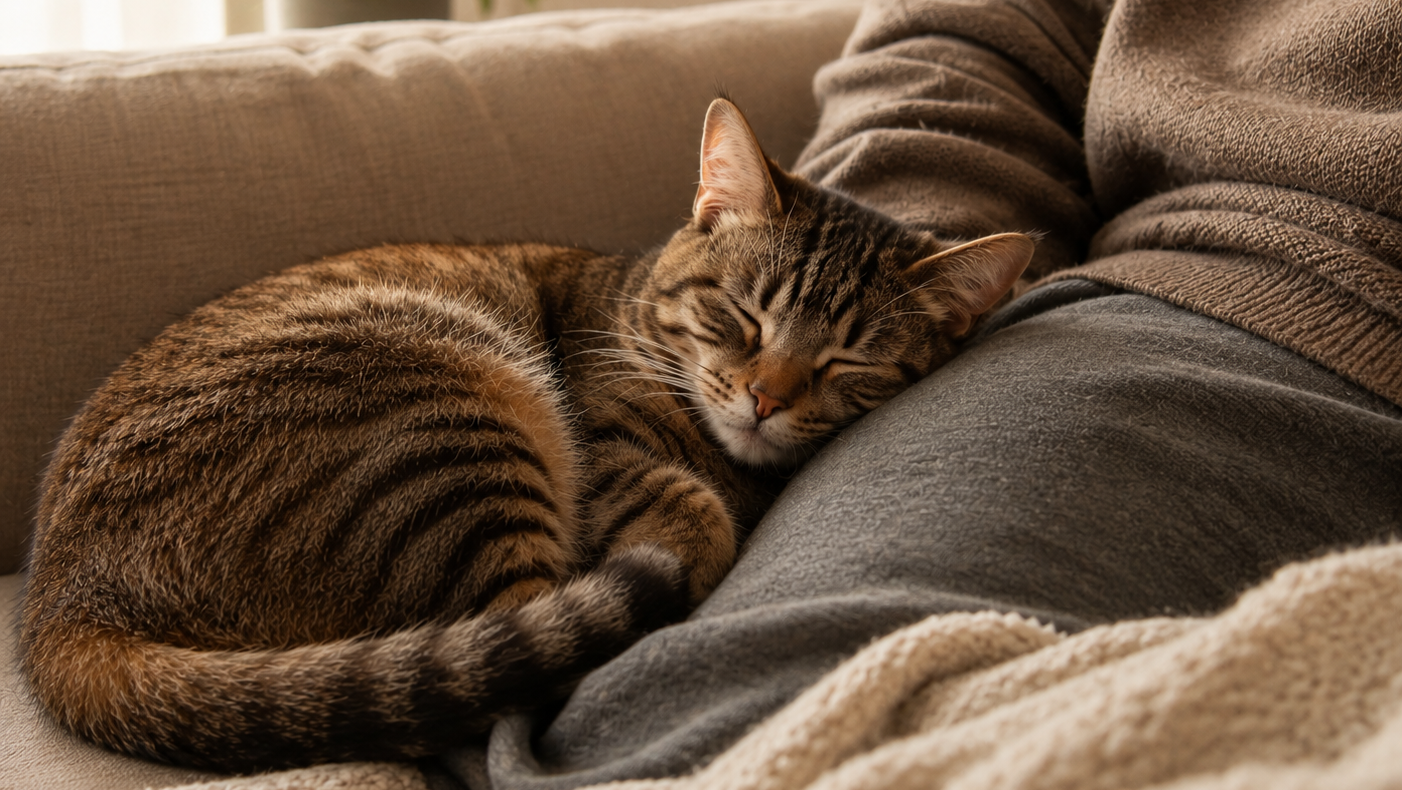
If this sounds familiar, take it as a compliment. Most cats don’t follow people around for no reason.
When your cat follows you everywhere, they’re usually trying to tell you something. And once you understand why, that little furry shadow starts to make perfect sense.
Good News First: Your Cat Probably Just Loves You
Most of the time, a cat following you around is a sign of trust, not a problem.
Cats build strong bonds with the people they love. They recognize your voice, find comfort in your scent, and often feel safer when you’re nearby.
Despite their reputation, cats are not as distant or independent as many people think. Most house cats enjoy companionship and like being close to their favorite humans.
So before we get into the reasons, here’s the short answer:
Your cat follows you because they like you, trust you, and want to be near you.
⚠️ Worried something is wrong?
In most cases, there is no reason to worry. For the vast majority of cats, following their owner is a normal and affectionate behavior.
The key is knowing when it’s simply love and when it might be a sign of something else. This guide will help you tell the difference.
Why Does My Cat Follow Me Everywhere? 7 Real Reasons
1. They Trust You
Your cat sees you as their safe person.
In the wild, cats stay close to trusted companions for safety and comfort. Your indoor cat does the same with you.
This often starts in kittenhood. Kittens follow their mothers for food, warmth, and protection. As adults, many cats transfer that bond to their favorite human.
When your cat follows you around, they’re often saying:
“You’re my person.”
2. They’re Hungry
Sometimes the answer is very simple: food.
Cats prefer several small meals throughout the day, but most house cats get only a few scheduled feedings. They quickly learn who controls the food bowl.
If your cat follows you to the kitchen, especially around mealtime, hunger is probably the reason.
Simple. Smart. Slightly manipulative.
3. They’re Bored
Indoor cats need mental stimulation as much as physical activity.
Without enough toys, play, or things to explore, you become the most interesting thing in the house.
If your cat follows you during quiet parts of the day, they may simply be looking for something to do.
4. They’re Curious
Cats like to know what’s happening in their territory.
A new smell, a package at the door, or a room you just entered can spark their curiosity.
Following you helps them stay informed. You’re basically their source of breaking news.
5. They’ve Learned Your Routine
Cats are excellent observers.
They know that walking to the kitchen might mean food. Sitting on the couch might mean cuddle time. Picking up your keys might mean you’re leaving.
Over time, they learn your habits and follow because they expect something interesting to happen.
6. They’re Feeling Stressed
Changes in the home can make cats anxious.
A move, a new pet, a baby, or even loud noises outside can make them seek extra comfort.
When that happens, they often stay closer to the person they trust most.
Being near you helps them feel safe and relaxed.
7. They May Not Feel Well
This is the one reason worth paying close attention to.
When cats feel sick or vulnerable, they often seek safety and reassurance.
If your cat suddenly starts following you much more than usual, especially along with other changes in behavior, it may be worth checking in with your veterinarian.
Sometimes your cat isn’t looking for attention, they’re looking for comfort.
Why Does My Cat Follow Me to the Bathroom?
If your cat follows you to the bathroom, you’re not alone. It’s one of the most common cat behaviors.
Here are the main reasons why:
1. They want to be near you
Cats often stay close to the people they trust. If you’re their favorite human, they want to know where you are, even when you’re heading to the bathroom.
2. The bathroom is interesting
To a cat, the bathroom is full of fascinating things.
Running water. Dripping faucets. Steam. New smells.
Some cats love investigating sinks, showers, and even small puddles on the floor.
3. They don’t like closed doors
Many cats think every room in the house belongs to them.
When a door closes, they immediately want access. It is not always about attention. They simply do not like being shut out of part of their territory.
4. They’re checking on you
Cats are naturally curious and like to keep track of what’s happening around them.
Following you into the bathroom may be their way of making sure everything is normal and that you’re okay.
In short, your cat follows you to the bathroom because they trust you, enjoy the environment, and do not want to miss out on anything happening in their world.
When Following You Could Be a Warning Sign
Most of the time, a cat that follows you around is simply showing affection.
The key thing to watch for is a sudden change.
If your cat has always been your little shadow, that’s probably just their personality. But if a normally independent cat suddenly starts following you everywhere, it could signal a health issue.
Pay attention if the new clinginess comes with any of these signs:
- Eating much less or much more than usual
- Vomiting or diarrhea
- Drinking more or less water than normal
- Excessive meowing
- Weight loss or a dull-looking coat
- Confusion or seeming disoriented, especially in older cats
- Restlessness combined with increased hunger
If you notice several of these changes together, schedule a vet visit.
Cats are experts at hiding illness. Sometimes a sudden change in behavior is one of the first signs that something isn’t right.
When in doubt, it’s always better to have your veterinarian take a look.
What Most Cat Owners Get Wrong
Many articles skip this part, but it’s important.
Pushing your cat away
If your cat follows you because they trust you or feel anxious, scolding them won’t help.
It can damage your bond and make your cat feel less secure.
Instead, gently redirect their attention to a toy, puzzle feeder, or cozy resting spot.
Ignoring a sudden change
Cats can’t tell us when something feels wrong.
That’s why changes in behavior matter.
If your cat suddenly becomes much clingier than usual, don’t assume it’s nothing. A behavior change can be one of the first signs of a health problem.
Accidentally rewarding anxiety
This one surprises many owners.
If your cat follows you because they’re anxious, responding with treats or attention every single time can reinforce the behavior.
The goal isn’t to ignore your cat. It’s to help them feel confident and secure, even when you’re not right beside them.
For anxious cats, independence is just as important as affection.
Before: Your cat is glued to your side, you have no idea what’s driving it, and you’re not sure whether to be touched or concerned.
After: You know the seven reasons cats follow their owners, you can spot the difference between normal behavior and a warning sign, and you have a simple plan for responding to each.
Simple Ways to Give Your Cat What They’re Looking For
Most of what your cat wants from following you can actually be met in other, easier ways.
- Daily play sessions. Two 10–15 minute sessions using a wand toy or laser pointer can make a real difference for bored or attention-seeking cats. Consistent play burns energy, builds confidence, and reduces the need to trail you from room to room.
- Puzzle feeders and enrichment toys. These are especially good for food-motivated cats. They eat more slowly, stay busier, and pester you around mealtimes far less often.
- Window perches or outdoor bird feeders. Passive entertainment that keeps curious cats occupied for hours with no effort from you once it’s set up.
- Automatic feeders. For cats who follow you specifically around mealtimes, an automatic feeder shifts their attention from you to the machine. It works better than most people expect.
- For anxious cats specifically: Talk to your vet before trying to manage it alone. Pheromone diffusers, calming supplements and in more serious cases prescription options can all help meaningfully. Enrichment alone isn’t always enough.
Frequently Asked Questions
Q 1: Why does my cat follow me everywhere all of a sudden?
A sudden increase in following is worth noting. It can signal stress from a change in routine, boredom, or an underlying health issue. If other symptoms appear alongside it, changes in appetite, weight, or energy- schedule a vet visit sooner rather than later.
Q 2: Is it normal for cats to follow you from room to room?
Yes, very normal. Most cats do this due to bonding, curiosity, hunger, or routine. As long as your cat seems calm and healthy overall, following behavior is a sign of attachment, not a problem.
Q 3: Why does my cat follow me but not other family members?
Cats usually bond most strongly with the person who feeds them, plays with them most, or provides the most consistent calm presence. If that person is you, you’re simply their chosen human. It’s a genuine compliment.
Q 4: My cat follows me and meows constantly- what does that mean?
Meowing while following often signals hunger, an unmet need, or discomfort. If it happens near mealtime, hunger is the most likely cause. If it’s new, constant, or unusually intense, a vet check is a good idea to rule out pain or illness.
Q 5: Can cats develop separation anxiety?
Yes, though it’s less common than in dogs. Cats separated from their mothers too early, or those with a very strong bond to one person, can struggle when left alone. Signs include excessive meowing, destructive behavior, and intense following whenever you’re home.
Q 6: Should I be worried if my senior cat suddenly starts following me more?
Yes, increased clinginess in an older cat can signal feline cognitive decline, hyperthyroidism, vision or hearing loss, or other age-related changes. A vet visit is the right next step, especially if you also notice confusion, appetite changes, or new vocalizations.
What Should You Do Next?
Your one action right now: the next time your cat follows you, spend a minute actually watching them.
You don’t have to change anything. Just observe. Is their following calm and relaxed? That’s bonding. Are they vocalizing or nudging you? Probably hunger or attention-seeking. Did this start recently out of nowhere? Worth tracking for a few days to see if other symptoms follow.
Once you know what to look for, cats aren’t that hard to read.
For more guides on understanding your cat and building a stronger bond with them, visit BarkLogue, where we write pet care content for real pet owners, not just veterinarians. And if you want to go deeper on reading your cat’s day-to-day cues, our guide to understanding your cat’s body language is a good next step.