What to Watch For in the First 90 Days With a Rescue Dog
By Herb Locke, Founder of BarkLogue
Why This Checklist Exists
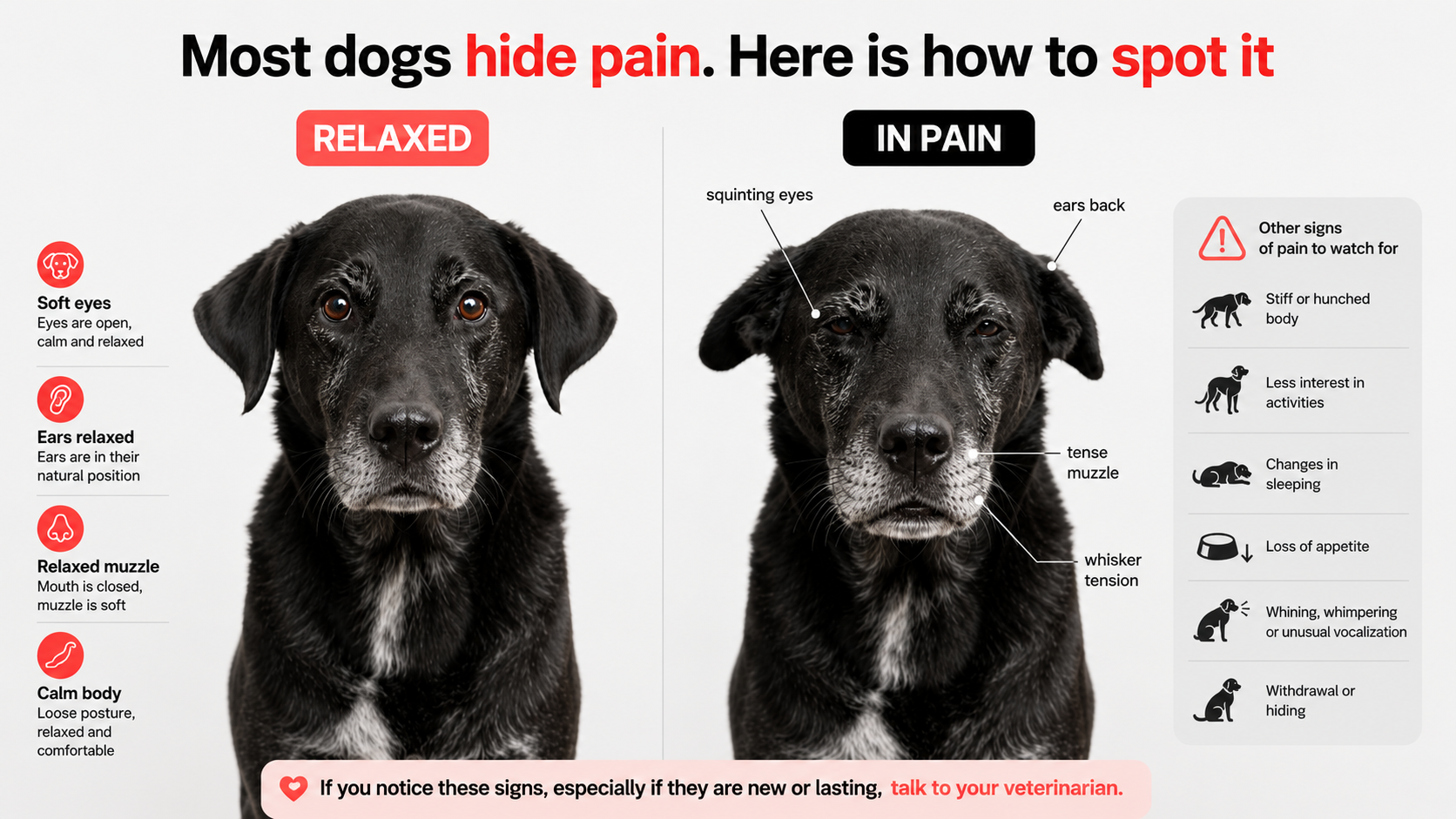
Rescue dogs are experts at hiding how they feel.
In a shelter environment, showing weakness is a liability. Dogs learn quickly that appearing healthy and calm increases their chances of being chosen. By the time a rescue dog arrives in your home, they may have been masking pain, anxiety, or illness for weeks or months.
This checklist is designed to help you catch what is easy to miss.
It covers three areas: physical health signals, behavioral adjustment signs, and the moments when a vet call is the right move.
Part 1: Physical Health Signals
Check these during calm, unguarded moments. The most accurate read of a dog’s physical state happens when they are resting and not expecting attention.
Face and Head
- Eyes are fully open and clear, no squinting when nothing is in them
- No discharge from the eyes or nose
- Mouth and jaw are relaxed, no tension around the muzzle
- Ears sit naturally to the side, not pinned flat against the head
- Whisker and cheek area is soft, not drawn tight
Body and Posture
- Dog lies fully relaxed, not curled tight or hunched when resting
- No trembling or shaking unrelated to temperature
- Weight is distributed evenly when standing, no favoring of one leg
- Dog moves freely without stiffness, especially after rest
- No repeated licking or chewing of a specific area
Appetite and Digestion
- Eating at regular mealtimes within the first week
- Drinking water consistently, not excessively
- Stools are firm and consistent after the first three days
- No vomiting beyond the first 24 to 48 hours of transition
Coat and Skin
- Coat is consistent in texture with no sudden patches of dullness
- No excessive scratching, rubbing against surfaces, or head shaking
- Skin is clear with no visible sores, swelling, or unusual lumps
Part 2: Behavioral Adjustment Signs
These signals tell you how your dog is settling emotionally. Some are signs of progress. Some are signs that something needs attention.
Signs of healthy adjustment (you want to see these)
- Choosing to sleep near you rather than always in a corner
- Making brief eye contact and then looking away comfortably
- Bringing you an object, any object, as an invitation
- Eating calmly when you are in the room
- Yawning in your presence, which signals relaxation not boredom
- Gradually exploring more of the home over the first two weeks
Signs that need monitoring
- Refusing food for more than 48 hours after arrival
- Not leaving a single space or corner for the first three to four days
- Panting consistently when the temperature is not warm
- Startling severely at ordinary sounds or movements after the first week
- Repetitive behaviors such as spinning, pacing, or excessive licking that do not reduce over time
Signs to take seriously
- Aggression or snapping that appears without any warning signal
- Complete shutdown, no response to food, touch, or movement, lasting more than two days
- Destructive behavior that escalates rather than decreases after week two
- Inability to settle at any point during the day or night after the first week
Part 3: The First 90 Days Timeline
Days 1 to 3: The quiet phase
Most rescue dogs go quiet when they first arrive. This is normal. They are processing a completely new environment. Let them move at their own pace. Do not force interaction. Keep the home calm and the routine simple.
What to watch: eating, drinking, and basic bathroom function. If any of these are absent after 48 hours, call your vet.
Days 4 to 14: The testing phase
The dog begins to understand that this environment is consistent. Some dogs start to relax visibly. Others begin testing boundaries as they gain confidence. Both are healthy signs.
What to watch: any physical stiffness, limping, or changes in posture that appear now that the dog is moving more freely. Pain that was masked in the shelter often becomes visible once a dog feels safe enough to stop suppressing it.
Days 15 to 30: The attachment phase
The dog begins forming a clear bond with the primary caregiver. You may notice them seeking you out, following you between rooms, or showing preference for your company.
What to watch: behavioral signs of anxiety when left alone. Separation distress is common in rescue dogs and is easier to address in the first month than after patterns are established.
Days 31 to 90: The settling phase
The dog’s true personality begins to emerge. Quirks, preferences, and habits become visible. This is also when underlying health issues that were masked by stress hormones often surface.
What to watch: any changes in appetite, energy, or behavior that feel like regression. A dog who was thriving in week three and suddenly seems low or stiff in week six deserves a vet visit.
When to Call the Vet
Call the same day if you notice:
- Vomiting more than twice in 24 hours
- Diarrhea with blood
- Complete refusal to eat for more than 48 hours
- Visible limping or reluctance to bear weight
- Labored or unusually fast breathing at rest
- Pale or white gums
- Swelling anywhere on the body
- Collapse or extreme lethargy
Do not wait to see if it passes. Rescue dogs are practiced at hiding discomfort. By the time a symptom is obvious, it has usually been building for a while.
A Final Note
The first 90 days are not about getting everything right.
They are about paying attention.
The dogs that struggle most in new homes are usually not difficult dogs. They are dogs whose signals were missed early because nobody knew what to look for.
You are already ahead of that by reading this.
This checklist was created by BarkLogue, the AI platform that gives shelter animals a voice and helps shelters raise more donations. Visit barklogue.com or book a call at calendly.com/blang-barklogue/30min