I walked into a shelterI walked into a shelter in Alberta and asked to see their new adoption software.
They were proud of it. Three months of training. New cloud system. Everyone on board. Slick. Fast. Organized.
Then I looked at an adoption profile.
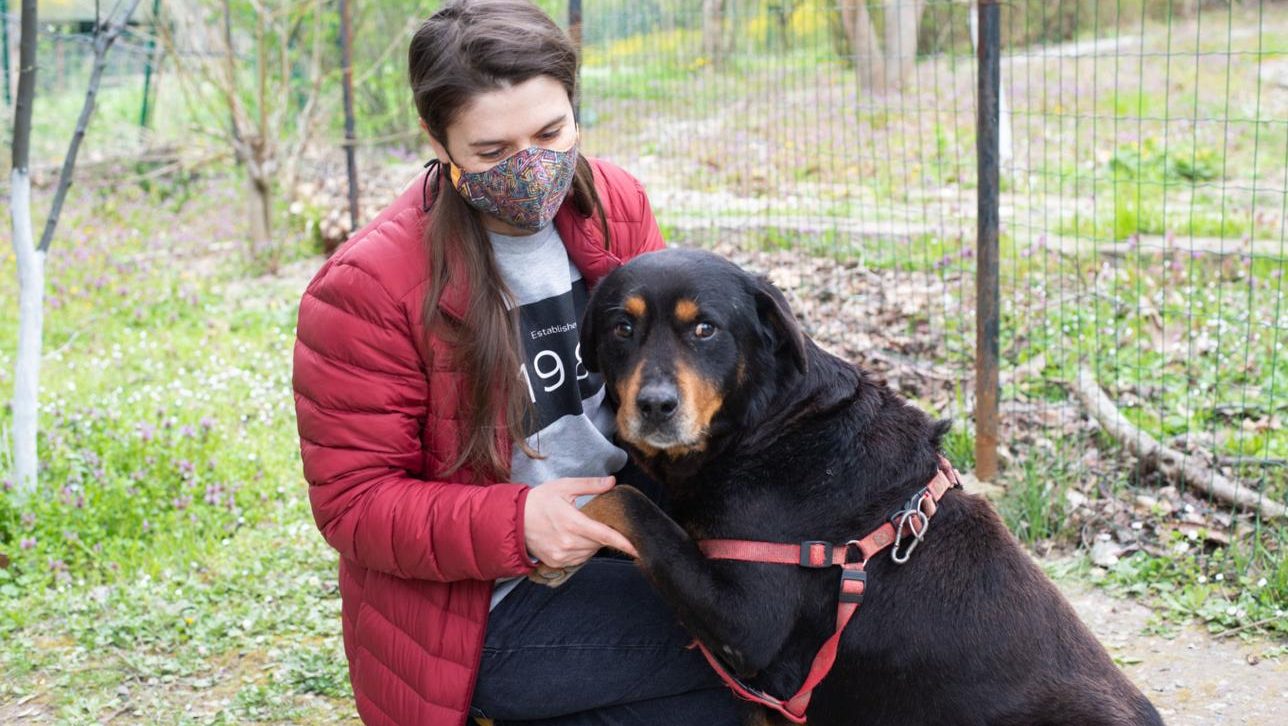
“Black lab mix, 9 years old, large breed. Good with adults. Available for adoption.”
He’d been there 847 days.
The director looked at me and said: “We got the software to solve adoption problems. We solved the wrong one.”
The software didn’t fail. It just didn’t help. Because software doesn’t tell stories. People do.
The Software Trap
Most shelter directors say, “We need better software to increase adoptions.”
Good software helps manage intake, medical records, volunteers, and adoptions. It keeps everything organized.
But it can’t make someone care about an animal they’ve never met.
A shelter director in Saskatchewan told me, “We upgraded our software. Adoption rates stayed the same.”
I asked what changed about the animal profiles.
“Nothing,” she said. “We just filled out the forms faster.”
What I’ve Learned Visiting Shelters
I’ve visited fifteen shelters in the last eighteen months. Most already have good software.
When I ask volunteers about a dog, they tell incredible stories.
One dog brings visitors a sock as a gift. Another can sense when someone is having a hard day. One is discovering grass for the first time after years in a backyard.
Then I read the adoption profile:
“Large breed. Senior dog. Needs calm home.”
The facts are there, but the personality is missing.
Software can organize information. It can’t tell the story that makes someone fall in love.
And that’s often the difference between being noticed and being adopted.
The Real Problem
Most shelter software was built to solve an operations problem.
And it does. Intake. Medical tracking. Applications. Adoptions. All essential.
But fundraising doesn’t work on operations. It works on connection.
A donor doesn’t give because your system is efficient. A donor gives because they met an animal — or felt like they did — and something changed.
And that meeting happens in a story.
Not a stat. Not a form. A story.
Why Donors Actually Give
I read forty-seven research papers on why people donate to animal causes.
One finding kept appearing over and over.
People don’t give to animals. They give to the one animal they know.
It’s called the identifiable victim effect. Your brain doesn’t process “1,000 animals need help” the same way it processes “this dog, right now, needs something.”
In one study, donors gave 50% more when they could identify a specific animal by name than when they saw statistics.
The software doesn’t move that needle. The story does.
Before and After
Before: “Luna, female, 7 years old, domestic shorthair. Available. Gentle. Good with adults.”
After: “Luna spent seven years in a quiet office. She sits on the windowsill every morning and chirps at the birds for exactly 20 minutes. Not to hunt them. Just to watch. If you like slow mornings and someone who does too, she’s waiting.”
The software didn’t change. The person telling the story did.
One came from a form. The other came from asking: “What does she actually love doing?”
One is generic. The other is only Luna.
Guess which one gets clicked.
What Good Software Looks Like
Good software does this: organize data, track applications, manage adoptions.
But the best software also does this: makes storytelling easy.
It has a field that says “Describe this animal like you’re telling a friend about them.”
It reminds staff: Don’t just fill boxes. Write about the animal.
The software is the container. The story is what moves people.
If You’re Choosing Software
Most directors make a spreadsheet. Features. Price. Cloud-based? Petfinder integration? Mobile access?
Ask those things.
But also ask: “Does this make it easier for my staff to tell the animal’s real story?”
That’s the only question that matters.
Already Using Software?
Don’t rip it out.
Tomorrow, pick one animal. Ask: “What does this animal actually love doing?”
Write it down. Rewrite the profile. Post it.
Watch what happens.
I’ve seen this shift adoptions. I’ve seen donors stop scrolling. I’ve seen volunteers remember why they do this work.
Because the software stopped being a barrier.
Common Questions
Does better software mean more adoptions?
No. Better software = better organization. Better adoptions = better stories. These aren’t the same. You can have great stories with bad software. You can have great software with flat adoption rates.
What if staff doesn’t know the animals’ real stories?
Then start learning. Spend ten minutes with each animal. What do they do? What do they love? The stories are already there. Ask and write them down.
Does this work with our current software?
Yes. Most platforms let you add a description field. Use it for the real story, not the checklist.
How much time does this take?
Five minutes per animal to rewrite a profile. That’s it. One time.
Does this work for all animals?
All of them. Senior dogs. Black dogs. Cats. Rabbits. Shy animals benefit most because nobody else is doing it for them.
What to Do Next?
Pick one animal.
Ask: “What does this animal actually love doing?”
Write it down. Rewrite the profile. Post it.
That’s it.
You don’t need new software. You don’t need more budget. You need a story. And it’s already in your shelter.
Real is what gets animals adopted.