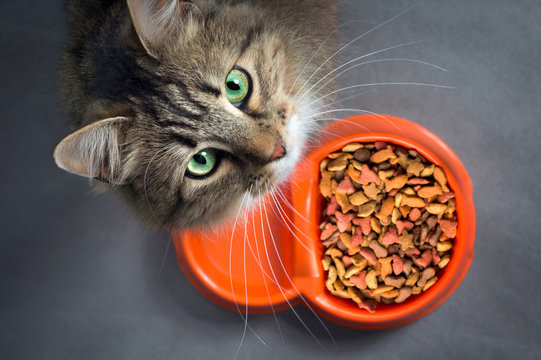
One day your cat races to the food bowl.
The next day, they ignore it completely.
No excitement.
No interest.
Just a full bowl of food sitting untouched.
If you’re asking, “why is my cat not eating?”, you’re right to pay attention.
Cats are creatures of habit.
And when a cat suddenly stops eating, it’s often a sign that something has changed.
Sometimes the reason is simple.
Sometimes it’s not.
Why Appetite Changes Matter in Cats
Cats are usually predictable when it comes to food.
They know when mealtime is.
They know where the food bowl is.
And many cats remind their humans when dinner is late.
That’s why appetite changes stand out.
A missed meal may not seem like a big deal.
But cats can become sick more quickly than many people realize when they stop eating.
The sooner you notice a change, the sooner you can figure out what’s causing it.
Sometimes the Cause Is Simple
Not every appetite change is a medical emergency.
Cats can be surprisingly sensitive to changes in their environment.
A few common examples include:
- Switching to a new food
- Moving to a new home
- Guests visiting
- Travel
- A new pet in the house
- Changes in routine
Even something as simple as moving the food bowl can affect some cats.
Stress doesn’t affect every cat the same way.
But for some, it can be enough to reduce their appetite temporarily.
Health Issues That Can Affect Appetite
If your cat continues refusing food, health problems become more likely.
Some common causes include:
Dental Pain
A sore tooth or inflamed gums can make eating uncomfortable.
Stomach Upset
Nausea, digestive issues, or minor illnesses can reduce appetite.
Infections
Cats may eat less when fighting an infection.
Chronic Conditions
Kidney disease, diabetes, thyroid conditions, and other health issues can affect eating habits.
Because many illnesses share similar symptoms, it’s important not to guess.
If your cat’s appetite doesn’t return, contact your veterinarian.
Signs You Shouldn’t Ignore
Sometimes appetite loss comes with other warning signs.
Watch for:
- Vomiting
- Weight loss
- Lethargy
- Hiding
- Changes in drinking habits
- Diarrhea
- Difficulty eating
These symptoms can provide important clues about what’s happening.
And they often help veterinarians identify the cause more quickly.
Reading the Whole Situation
When asking “why is my cat not eating?”, look at the full picture.
For example:
Not Eating but Drinking Water
This may indicate one issue.
Not Eating and Not Drinking
This may indicate something more serious.
Refusing Meals but Eating Treats
Your cat may dislike the food being offered, or there could be another issue affecting appetite.
Acting Normal Otherwise
A cat who seems normal may still need monitoring.
Context matters.
One behavior rarely tells the whole story.
What I Learned From Shelter Cats
One thing shelter work taught me is that appetite changes are often one of the first signs something isn’t right.
Sometimes it’s illness.
Sometimes it’s stress.
Sometimes it’s a major life change.
But experienced shelter staff notice these small shifts quickly.
Because cats rarely tell us directly when something feels wrong.
Instead, they show us through behavior.
And eating habits are often one of the earliest clues.
Common Questions
Why is my cat not eating but acting normal?
Stress, food preferences, minor digestive issues, or environmental changes can sometimes affect appetite before other symptoms appear.
How long can a cat go without eating?
Cats should not go long without food. If your cat has stopped eating, especially for 24 hours or more, contact your veterinarian.
Should I worry if my cat skips one meal?
Not always. Some cats occasionally skip a meal. However, continued appetite loss should be taken seriously.
Can stress cause a cat to stop eating?
Yes. Changes in routine, moving, new pets, visitors, and other stressful events can affect appetite.
What can I do to encourage my cat to eat?
Offer fresh food, maintain a calm environment, and monitor closely. If the problem continues, seek veterinary advice.
When should I call a veterinarian?
If your cat hasn’t eaten for 24 hours, develops additional symptoms, or seems unwell, contact your veterinarian as soon as possible.
What to Do Next
If your cat misses a meal, don’t panic.
But don’t ignore it either.
Pay attention to their behavior.
Watch for other symptoms.
Think about any recent changes in the home.
And if your cat continues refusing food, contact your veterinarian.
Because when it comes to appetite changes, early attention is often the best thing you can do for your cat.