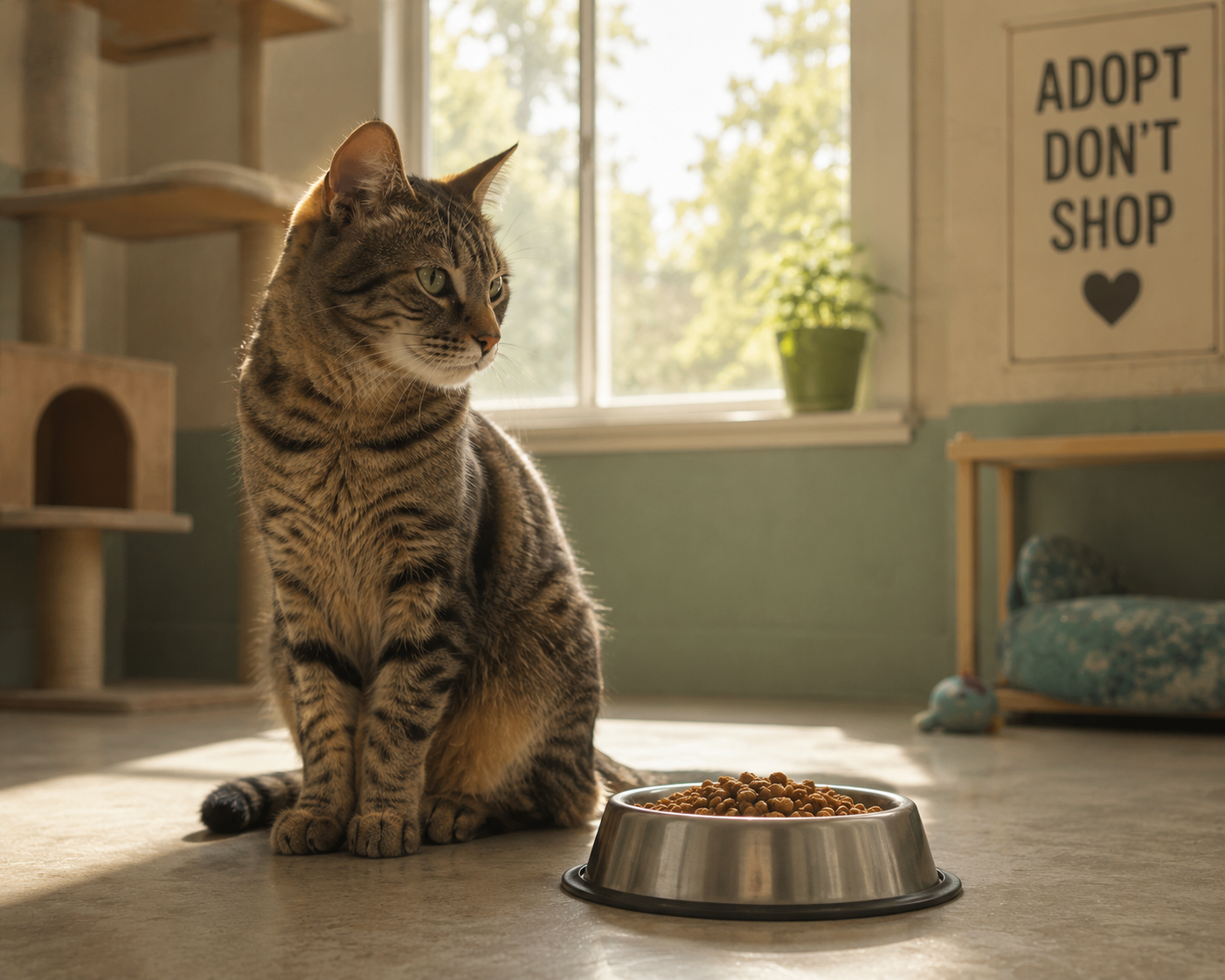
Yesterday, your cat came running the moment they heard food hit the bowl.
Today, they barely look at it.
They sniff. Walk away. Maybe take a small bite and leave the rest untouched.
If you’re wondering, Why is my cat not eating?
You’re not alone. A sudden loss of appetite is one of the most common reasons cat owners become concerned. And for good reason.
While some causes are relatively harmless, others can signal a serious health problem that needs immediate attention.
The key is figuring out what’s behind the change.
Why Is My Cat Not Eating?
A cat that stops eating is usually reacting to something.
It could be stress, pain, illness, a change in routine, or even a food issue.
Unlike humans, cats can develop health complications surprisingly quickly when they don’t eat enough.
That’s why appetite loss should never be ignored, especially if it lasts more than a day.
How Long Can a Cat Go Without Eating?
Many owners assume their cat will eat when they’re hungry enough.
Unfortunately, it’s not always that simple.
Cats that stop eating for extended periods can develop a dangerous condition called hepatic lipidosis, also known as fatty liver disease.
This condition occurs when the body begins breaking down fat too rapidly, overwhelming the liver.
When to Call a Vet Immediately
Contact your veterinarian right away if your cat:
- Hasn’t eaten for 24 hours or longer
- Is vomiting
- Seems weak or lethargic
- Has difficulty breathing
- Shows signs of pain
- Is refusing both food and water
Young kittens, senior cats, and cats with existing health conditions may need care even sooner.
12 Common Reasons Your Cat Isn’t Eating
1. Stress or Anxiety
Cats thrive on routine.
Even small changes can affect their appetite.
Common stress triggers include:
- Moving house
- New pets
- Visitors
- Construction noise
- Changes in schedule
Some cats respond to stress by hiding. Others simply stop eating.
2. Dental Problems
Imagine trying to chew with a painful tooth.
Dental disease is one of the most overlooked reasons cats avoid food.
Watch for:
- Bad breath
- Drooling
- Pawing at the mouth
- Difficulty chewing
A cat may be hungry but unwilling to eat because it hurts.
3. Recent Food Changes
Cats can be surprisingly picky.
Switching brands, flavors, or food textures too quickly can lead to food refusal.
Whenever possible, introduce new foods gradually over several days.
4. Nausea or Upset Stomach
An upset stomach can quickly reduce appetite.
Possible causes include:
- Eating something unusual
- Medication side effects
- Digestive irritation
- Mild infections
Cats experiencing nausea often approach food but refuse to eat it.
5. Hairballs
Hairballs can cause temporary discomfort and reduce interest in food.
You may notice:
- Gagging
- Coughing
- Reduced appetite
- Vomiting
Frequent grooming during shedding seasons can increase the risk.
6. Respiratory Infections
Cats rely heavily on their sense of smell to identify food.
When congestion blocks their nose, food may suddenly seem unappealing.
Signs include:
- Sneezing
- Runny nose
- Watery eyes
- Congestion
7. Hot Weather
Summer temperatures can affect appetite.
Many cats naturally eat a little less during hot weather.
However, appetite reduction should be mild and temporary.
Complete food refusal is never normal.
8. Medication Side Effects
Certain medications can cause:
- Nausea
- Stomach upset
- Reduced appetite
If appetite loss begins shortly after starting a new medication, speak with your veterinarian.
9. Pain or Injury
Cats are experts at hiding pain.
A sore joint, injury, or internal discomfort can reduce appetite significantly.
Often the only clue is a change in behavior.
10. Digestive Issues
Conditions affecting the digestive tract may interfere with appetite.
Examples include:
- Inflammatory bowel disease
- Parasites
- Constipation
- Gastrointestinal infections
These problems often come with vomiting or diarrhea.
11. Underlying Disease
Many illnesses cause appetite loss as an early symptom.
Examples include:
- Kidney disease
- Diabetes
- Liver disease
- Cancer
- Hyperthyroidism
In some cases, appetite changes appear before any other symptoms.
12. Aging and Senior Cat Changes
Older cats may eat less for several reasons.
Dental problems, reduced sense of smell, arthritis, and chronic disease become more common with age.
Any significant appetite change in a senior cat should be evaluated by a veterinarian.
Signs the Problem May Be Serious
Not every skipped meal is an emergency.
But certain symptoms should raise concern.
Warning Signs to Watch For
- Rapid weight loss
- Vomiting
- Diarrhea
- Hiding behavior
- Weakness
- Dehydration
- Difficulty breathing
- Sudden personality changes
Before and After
Before:
Your cat skips breakfast but plays, drinks water, and behaves normally.
After:
Your cat refuses food for over 24 hours, sleeps excessively, and avoids interaction.
The second scenario warrants immediate veterinary attention.
What To Do If Your Cat Isn’t Eating
If your cat appears otherwise healthy, there are a few safe steps you can try at home.
Try These Simple Solutions
1. Warm the Food Slightly
Warming food releases aromas and can make meals more appealing.
2. Offer Wet Food
Many cats find wet food easier to eat and more enticing than dry kibble.
3. Reduce Stress
Provide a quiet feeding area away from loud noises and other pets.
4. Check Food Freshness
Cats can be surprisingly sensitive to stale food.
5. Encourage Hydration
Fresh water helps support overall health and may improve appetite.
What Not To Do
When a cat refuses food, it’s tempting to try everything.
Some approaches can actually make the problem worse.
Avoid:
- Force-feeding without veterinary guidance
- Constantly changing foods
- Offering unsafe human foods
- Delaying veterinary care when symptoms worsen
Patience and observation are often more effective than panic.
Can Stress Really Cause a Cat to Stop Eating?
Absolutely.
Cats are creatures of habit.
A new sofa, a house guest, or even moving their food bowl can be enough to affect some cats.
One owner may see their cat skip dinner after a weekend gathering. Another may notice appetite changes after introducing a new pet.
If you’re thinking you’ve done something wrong because your cat isn’t eating, don’t panic.
Many cases are temporary.
The important thing is identifying the cause quickly and monitoring your cat closely.
When Should You Contact Your Veterinarian?
You should schedule a veterinary visit if:
- Appetite loss lasts longer than 24 hours
- Your cat refuses water
- Additional symptoms appear
- Your cat is elderly or has existing health conditions
- The behavior is unusual for your cat
Early intervention often leads to faster treatment and better outcomes.
Helping Your Cat Get Back to Normal
A loss of appetite is a symptom, not a diagnosis.
Sometimes the cause is simple, like stress or a food change.
Other times, it may point to an underlying health condition that requires treatment.
The most important thing is paying attention.
When you notice appetite changes early, you can take action before a small issue becomes a bigger problem.
And in many cases, that quick response can make all the difference.
Frequently Asked Questions
Why is my cat not eating but acting normal?
Stress, food preferences, weather changes, or minor digestive upset can sometimes reduce appetite without affecting behavior. Monitor closely and contact your veterinarian if the issue persists.
Why is my cat drinking water but not eating?
This can occur with dental problems, nausea, digestive issues, or certain illnesses. It’s a sign worth investigating if it continues for more than a day.
Can stress make a cat stop eating?
Yes. Cats are highly sensitive to changes in their environment and routine. Stress is a common cause of temporary appetite loss.
How can I encourage my cat to eat?
Try warming food slightly, offering wet food, reducing stress, and ensuring fresh food and water are always available.
How long is too long for a cat to go without food?
Most veterinarians recommend seeking advice if a cat hasn’t eaten for 24 hours, especially if other symptoms are present.
Should I take my cat to the vet if they skip one meal?
Not necessarily. Many cats occasionally miss a meal. However, prolonged appetite loss or additional symptoms should always be evaluated by a veterinarian.