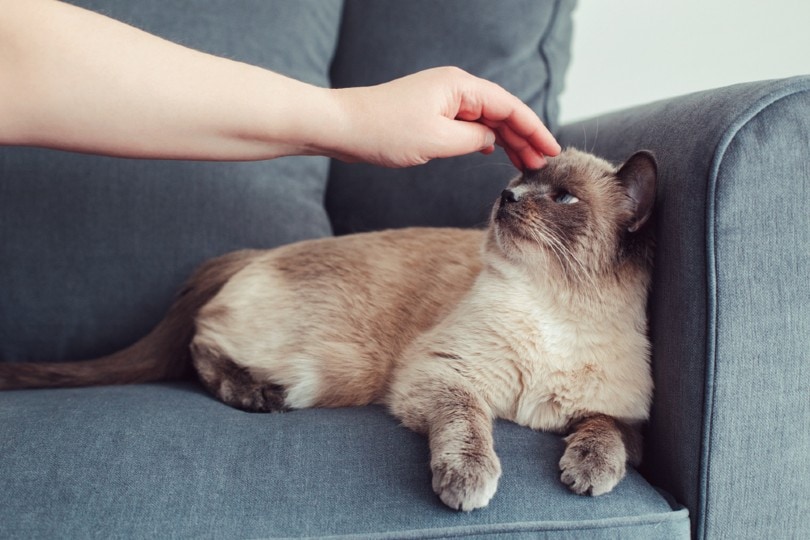
Mittens spent nine months at the shelter.
She wasn’t sick. She wasn’t difficult.
She was 13 years old.
While younger cats found homes, Mittens waited.
Then a volunteer noticed something special.
Every time someone sat down to read, Mittens curled up beside them and purred.
Her profile was updated to include that detail.
Three weeks later, she was adopted.
Mittens wasn’t the problem.
People just didn’t know her story.
Why Senior Cat Adoption Gets Overlooked
Most people searching for a cat start with age.
They picture years of energy, playfulness, and companionship. So they naturally click on kittens and younger cats first.
It makes sense.
But age often hides what matters most.
When you adopt a kitten, you’re guessing who they’ll become.
When you adopt a senior cat, you already know.
Their personality is sitting right in front of you.
Shelter staff see this every day. The calm cats, the affectionate cats, the cats who greet every visitor, often wait longer simply because they’re older.
Meanwhile, families looking for exactly those qualities keep scrolling past them.
What Living With a Senior Cat Is Actually Like
Many people expect a senior cat adoption to be difficult.
Often, it’s the opposite.
Senior cats usually know how to live in a home. They use the litter box, settle into routines, and enjoy familiar comforts.
That means fewer surprises.
While a kitten might spend weeks climbing and exploring, a senior cat is often looking for the warmest spot to nap.
You aren’t raising them.
You’re getting to know them.
And the cat you meet at the shelter is usually the same cat you’ll bring home.
The Benefits of Senior Cat Adoption
People often focus on what senior cats need.
They rarely talk about what senior cats give.
Most senior cats are calm, predictable, and happy to be close to their people.
They nap beside you, follow your routine, and enjoy quiet companionship.
Older cats often spend longer in shelters.
Not because they’re difficult.
Because they’re overlooked.
For adopters willing to look beyond age, that can mean finding an incredible companion.
The Concerns Everyone Has, and the Real Answers
Let’s address the question almost everyone thinks about.
What about health problems?
The honest answer is that some senior cats will need more veterinary care than younger cats.
Some won’t.
Every cat is different.
Many shelters provide health assessments and can explain any known medical conditions before adoption.
The key is asking questions.
- Ask about medications.
- Ask about mobility.
- Ask about dental health.
- And ask what a normal day looks like for that specific cat.
If you’re thinking you’ll get less time with a senior cat, you’re focusing on the wrong question.
The better question is what that time looks like.
A year of deep companionship can matter more than a decade of assumptions.
Many adopters of senior cats say the same thing afterward.
“I wish I had done this sooner.”
Before and After: How One Description Changed Everything
Here’s how many older cats are introduced online.
Before:
Mittens, female, 13 years old, domestic shorthair. Spayed. Vaccinated. Available for adoption.
Technically accurate.
Completely forgettable.
After:
Mittens has a nightly routine. The moment someone opens a book, she appears. She’ll curl against your side and purr through entire chapters. She isn’t interested in chasing toys. She’s interested in being near people.
Same cat.
Different story.
The second description tells you what life with Mittens feels like.
That’s what people connect with.
- Not age.
- Not breed.
- Not a medical chart.
- Personality.
This is one of the reasons I built BarkLogue.
Animals already have stories worth telling. Shelters just need a way to help people see them.
Preparing Your Home for a Senior Cat Adoption
Most senior cats don’t need major changes.
Small adjustments often make the biggest difference.
- Provide soft, comfortable sleeping areas.
- Make litter boxes easy to access.
- Keep food and water in consistent locations.
- Give them time to explore at their own pace.
- Maintain a predictable routine.
That’s it.
You don’t need a perfect setup.
You need a welcoming one.
The first few weeks are about helping the cat feel safe.
Patience matters more than perfection.
What Senior Cats Teach Us About Companionship
You start to notice different things.
- The way they greet you at the door.
- The favorite chair they quietly claim.
- The little routines they create without anyone asking.
Senior cats have a way of making ordinary moments feel important.
Not because they’re dramatic.
Because they’re present.
Many older shelter animals spend months waiting for someone to notice what makes them special.
Sometimes all it takes is one person paying attention.
Mittens didn’t need to become younger.
Someone simply needed to see who she already was.
That’s true for more senior cats than most people realize.
Common Questions
How old is considered a senior cat?
Most veterinarians consider cats seniors around 10 years old, though some organizations use 7 years as the starting point.
Are senior cats harder to adopt?
Yes. Older cats generally spend longer in shelters because many adopters focus on younger animals first.
Do senior cats require expensive medical care?
Some do, some don’t. Ask the shelter about health history, medications, and current veterinary assessments before adopting.
Can senior cats bond with new owners?
Absolutely. Many senior cats form strong attachments because they value consistency and companionship.
Are senior cats good with other pets?
Many are. Their established personalities often make it easier to predict compatibility than with younger cats.
How long does it take a senior cat to adjust?
Some settle within days. Others need several weeks. Consistent routines and patience help tremendously.
What to Do Next
The next time you visit a shelter, spend ten minutes with the oldest cat in the room.
- Not the youngest.
- Not the most energetic.
- The oldest.
Watch what they do.
See how they respond.
You might discover what thousands of senior cat adopters already know.
The best companion in the shelter is often the one everyone else walked past.
Visit barklogue.com and see what happens when animals get the chance to tell their real stories.